




Blueprints 

Narrativity and Diachronic vs. Episodic Self-Experience: Setting the Scene
According to Strawson, life is experienced in a “diachronic” or “episodic” kind of way: the former is compatible with psychological narrativity, the latter not.
Dramatic Conflict and the Future of Science Fiction
Dramatic conflict in science fiction connects to advanced aspects of a future society. With our accelerating technological progress, this is becoming difficult.
“We Are Living in a Science Fiction Novel That We All Collaborate On”
Footage from Kim Stanley Robinson at the “Competing Cosmologies, Effecting Worlds: Intersections of Science and Religion” event at Duke University, NC.
Travesty, Parody, and Advertising with a Purpose: #Prop8
Travesty is a powerful form of storytelling not despite, but because we know what’s going to happen. We’re already on the lookout for what’s different.
The Best Tales to Tell, the Best Stories to Write
The dogged meme that “life” writes the best stories, and the best tales are told from “experience,” originates in a confusion of what tales or stories are.
In nova fert animus mutatas dicere formas corpora
Warum sollten für die Textstimmigkeit auf allen Ebenen beim kreativen Schreiben andere Regeln gelten als beim Geschichtenerzählen für Marken und Produkte?
Turns and Flashbacks, Junctions as Junctures
Flashbacks are a powerful storytelling device, especially when used for missed turns and missed junctions-as-junctures.

Is Collaborative Storytelling a Viable Technique? (Part IV)
The collaborate “Beyond the Still” contest has its second chapter. But not everything about this contest is conducive to collaboration.
Is Collaborative Storytelling a Viable Technique? (Part III)
What are the circumstances under which true collaborative writing either improves or diminishes the quality of the finished product?
Is Collaborative Storytelling a Viable Technique? (Part II)
Could collaborative storytelling create works of great art? Before we can answer that, we have to dismantle some cherished notions about author-creators.
Diegesis (“Excuse me sir, a what?”)
Diegesis is a technical term literature can do without. Mimesis too, but we should keep that one simmering on the back of the stove for historical reasons.

Is Collaborative Storytelling a Viable Technique? (Part I)
On whether collaborative storytelling is a viable technique, opinions greatly differ. In a series of blogposts, I will analyze examples and sketch some ideas.
Apostrophilologie
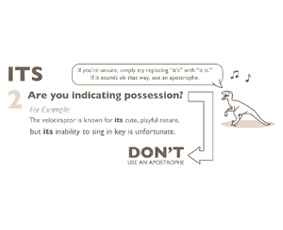
Falscher Apostrophgebrauch hat sich in Deutschland ebenso nativ entwickelt wie das Sprachnöglertum. Für beides sind keine U.S.-Importe nötig.

Sinn und Ornament: Redux
Auch beim Tätowieren von chinesischen Schriftzeichen im Westen und westlichen Schriftzeichen im Osten verläuft nicht immer alles ganz nach Plan.

Sinn und Ornament
Westliche Schiftzeichen werden im Osten genauso oft als inhaltlich unsinniges Ornament benutzt wie chinesische im Westen. Und manchmal geht es eben schief.

Shockvertising
Gedanken zu Shockvertising: Wem es nützt und ob es wirkt und wie wir das überhaupt beurteilen wollen ohne sorgfältige Studien oder konkretes Zahlenmaterial.

No Trouble with Tribbles: Die Verschlauwortung von Blogeinträgen
Kategorien und Tags, die sich hemmungslos vermehren, nützen niemandem. Sie sollten für ein Blog im Vorfeld konzipiert und dann kontrolliert erweitert werden.
Good Grief
We’ve become so used to Kübler-Ross’s “Five Psychological States of Grief” that we never stop and ask if it might be more complex, in reality and writing.

Kommunikation in Parabeln
Wenn Storytelling in der Werbung parabelartige Strukturen aufweist, ist die Wahrscheinlichkeit groß, daß irgendetwas faul ist.
Emoticon-Storytelling—No, really!
There’s no medium in which it would be impossible to tell a story, but sometimes it might be just too difficult. Or could emoticons become a native language?